Thursday, 30 March 2017

Acne Fighting Lifestyle Changes


Acne Fighting Lifestyle Changes

What can I do about my acne?

No one likes pimples. We go to great lengths to avoid them, not necessarily because they’re painful, but because they’re ugly. We try to control them by scrubbing our faces with cleansers, applying warm and cool compresses, toothpaste, and an assortment of acne products. We squeeze them, cover them up with make-up, part our hair on the wrong side to cover them, and shield them with our hands. On a particularly bad skin day, some of us might even wish we could stay in bed and hide.

The truth is, acne is very common. According to the American Academy of Dermatology, about 40 to 50 million Americans have acne at any one time. And, it’s not just for teenagers.

Acne can begin when pores are clogged by oil or dirt. Acne breakouts are also related to hormonal fluctuations. For some women, oral contraceptives can help reduce acne. Other acne sufferers try every product imaginable and, eventually, consult a dermatologist. There are, however, several complexion spoilers in most of our daily routines that can be managed or eliminated for clearer skin. Consider making these acne fighting lifestyle changes:

Establish a skin routine. Your skin’s your biggest organ; you wouldn’t scrub your heart with harsh products, and your skin deserves the same sort of delicate treatment. Wash your face twice daily with a gentle cleanser. Any more and you’ll dry it out, which can actually increase oil production. You can treat breakouts with an over-the-counter acne remedy, but use it sparingly as it might further irritate skin. Be sure to use an oil-free moisturizer after cleansing.

Read labels. Make sure that your moisturizers, sunscreens, and make-up are oil-free and non-comedogenic. It’s best to avoid make-up completely, but if you feel you must, be sure to read all the ingredients. Consider keeping a skin diary when experimenting with new products: write down how it looks and feels when you put it on, a few hours later, and at the end of the day. Make note of any increase or decrease in blemishes. If you see a pimple pattern, discontinue use. You don’t want the make-up  you use to hide your break-outs to actually make them worse.

Try hair products that aren’t oil-based. What goes on your hair gets in your face, be it shampoos and conditioners that wash over your face as you rinse your hair in the shower, the anti-frizz oil you use to tame unruly curls, or the pomade you use to keep hair in place. Eliminating exposure to these products will help prevent your pores from clogging, especially around your hairline and forehead.

Hit the gym. Exercise reduces stress levels and helps regulate hormones. It also gives you a make-up free glow. Just be sure to shower afterward so the oily sweat produced from all those reps doesn’t clog your pores.

Avoid processed or sugary foods. Foods that are processed tend to break down into sugar quickly, causing spikes in insulin levels. These spikes can lead to increased oil production, clogged pores, and unsightly acne.

Practice safe sun. The sun’s UVA and UVB rays irritate acne-prone skin. Try to stay in the shade when the sun is highest, between 10:00am and 4:00pm. If you are in the sun, wear a hat that breathes, and oil-free, non-comedogenic sunscreen with SPF 30.


Don’t sweat the small stuff. Remember that you’re much more aware of your skin issues than your peers. Everyone gets blemishes: give yourself a pep talk: you’re making positive, acne fighting lifestyle changes. Then, move on with your day.

Visit @ http://www.verduracare.com
Saturday, 11 March 2017

How Skin Moisture Content Affects the Way You Look


skin moisture
Skin Moisture


The moisture content of the skin determines its nature (oily, dry and normal), texture and also how we look.Skin needs a certain level of moisture content to be healthy and moisture loss makes the skin dry, scaly, and also highlights the lines and wrinkles making your skin look older.
So how can we prevent out skin from  losing all the moisture?
There are many ways we can do that and look our glorious best
  
  • Environment–  Skin’s natural ability to make its own natural moisturizing factors are disrupted when we are exposed to the UV radiation from the sun. Hence, it is essential to use sunscreen at all times, even during winters. Hot showers also strip our skin of moisture. It is advisable to have short showers in lukewarm water. Low humidity, air conditioning and heaters also affect skin’s ability to retain moisture
  • Moisturizers – Contrary to popular belief, moisturizers do not moisturize the skin. They only help lock in the moisture. So, use of gentle moisturizer, cleansing soap followed by any moisturizing lotion can help you in that way. 
  • Lifestyle – it is extremely important to keep your body hydrated from the inside as well. Drink lots of water and have fruits rich in Vitamin C.
Taking good care of your body and skin makes you healthy which is the best way to look at all times. 

Friday, 10 February 2017

Vitamins And Your Body


Your body needs vitamins in order to take care of specific problems like cell damage repair and regulate other metabolic functions. Vitamins could regenerate, rejuvenate and enrich the human physiology in one or other ways. 

Vitamin A slows the normal aging breakdown of your collagen and elastin in the dermis, exfoliates making skin smooth and even-toned and repairs the cellular structure of the epidermis optimising UV protection

Vitamin D, the sunshine vitamin, regulates skin cell multiplication and differentiation. 

B-Complex Vitamins counteract damage caused by free-radicals – molecules that breakdown healthy cells and contribute to ageing and disease. B complex Vitamins also helps in less dryness and flakiness and a reduction of fine lines on the skin.
 
Vitamin E also has basic antioxidant properties that block free radicals and reduce wrinkles and keep the skin youthful-looking.
 
Although an excess of vitamin and improper intake can also lead to adverse effects, the right type and the appropriate amount of Vitamins could help you maintain the health of your hair, skin and other vital organs.

Saturday, 28 January 2017

Psoralea Corylifolia And Skin Health


Psoralea corylifolia (Babchi) and its oil are called as Kushtaghni in Ayurveda which means remedy for treating skin diseases. 

Numerous research done on the plant state that the presence of active constituent  Psoralen in Psoralea corylifolia promotes pigmentation and support the stimulation of melanin pigments in the skin structure which in turn help in managing vitiligo. Pigment formation is much faster when the affected areas are exposed to sunlight and alternate sources of UV light. Scientific studies have also proven that Psoralen stimulates residual pigmentation and improves skin health.

Another study showed that Psoralen is a photoactive furocoumarin that binds to DNA when exposed to UV light to form photoproducts with pyrimidine base. This action inhibits DNA synthesis and causes decrease in skin cell proliferation. This inhibits excessive skin scaling and helps in managing psoriasis. 

Cream containing Psoralea corylifolia can be applied onto the affected areas and exposed to sun or UV light for faster relief from the symptoms of auto immune disorders like Psoriasis and Vitiligo.

Friday, 13 January 2017

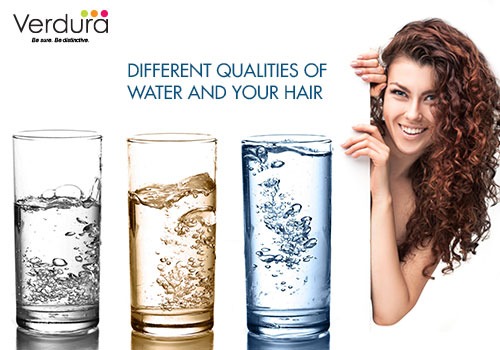
Different Qualities Of Water And Your hair

Different qualities of water and your hair

Ever wonder why your hair seems to respond well to certain types of water. How at times the hair becomes inexplicably slimy and other days, it’s so frizzy and dry? Even your shampooing experience differs from place to place. 

When it comes to hair care, not everyone is aware that the type of water they wash it in will have a direct effect on its appearance and overall behavior. If your hair does not seem to be adjusting to the shampoo being used, it may be due to your water.

The characteristics of the water used can determine how well (or poorly) your shampoo and conditioning routine works. Also, if water is chlorinated, mineralized or fluoridated, it can also have an effect on shampooing of the hair .

Hard Water
This is the most common type of tap water. It contains high amounts of calcium and magnesium which accumulate in the hair. Hair washed with hard water is often dry, frizzy and dull looking. People who wash their hair with hard water tend to suffer from dry, flaky scalp.

Hard water strips the tresses of moisture, the hair fibers become rough, thin and are prone to breakage. Slowly they start experiencing hair fall and the density of hair reduces over a period of time.

Use shampoos which contain EDTA as this ingredient will not only rehydrate the hair but also strip the mineral salts accumulated on the scalp from the hard water.

Soft Water
Soft water contains very little to no calcium and magnesium. It contains de-ionized sodium which gives it a slightly salty taste. The water feels soft on the skin, giving the hair a shiny texture. Soft water is ideal for bathing as it contains minimum quantity of dissolved salts.

 However, hair washed with soft water is often limp and lacks body. It will fall flat as a pancake so it’s not ideal for those with very fine hair. Deep conditioning is highly recommended.


Friday, 30 December 2016

Role of Psoralen and sun exposure in treating skin problems


Role of Psoralen


The plant Psoralea corylifolia (Babchi) contains the active constituent Psoralen which can be applied topically on the affected areas before sun exposure.

Psoralen entraps and enhances the benefit of the UV rays of sunlight when mild exposure is given. It makes the skin sensitive to sunlight so that the UV radiations can penetrate easily into the skin and
  1. Reduce symptoms such as itching and inflammation in excessive scaling conditions of skin .PUVA (Psoralen+UVA) slows down excessive skin cell growth and inflammation that causes extreme dry scaling conditions of skin to develop.
  2.  Minimise uneven discolouration of skin and hypopigmentation. Psoralen, on absorption of sunlight, kindles the genetic memory of the damaged melanocytes (pigment producing skin cells), resulting in melanin production.
Narrowband UVB (311-312 nm) that is present in the sunlight also stimulates pigment cells to produce melanin in a very short time after exposure.

To step up the goodness of sunlight effectively in these conditions, a topical cream containing Psoralea corylifolia /Psoralen is highly recommended.

Visit @ http://www.jrksiddha.com/products/verdura_range_of_products.html